A unique border
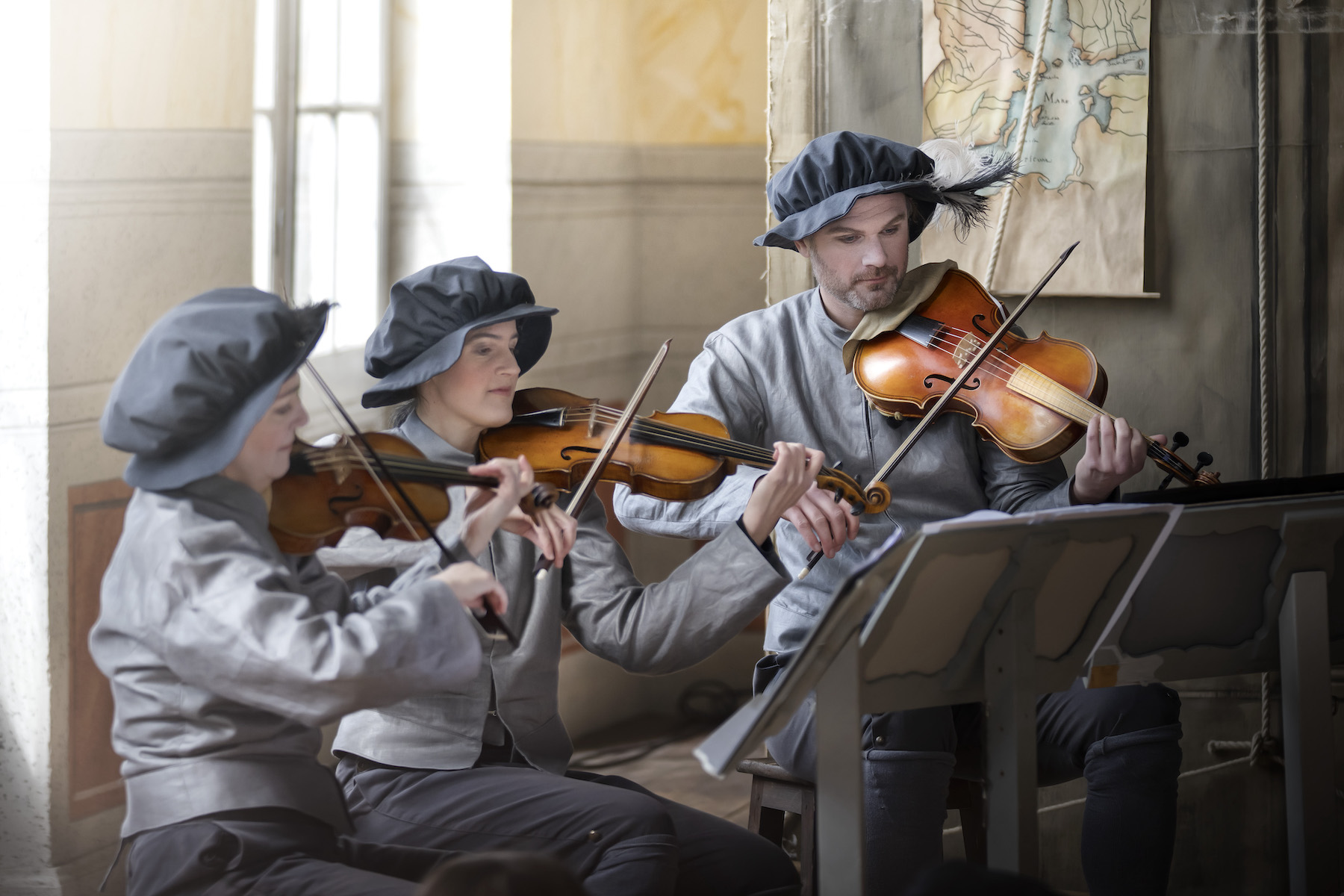
The Norwegian-Swedish border is unique in many ways. It is not only one of the world’s longest national borders, but also the EU’s external border. For centuries, trade and cultural exchange have been a major part of the lives of the border population and for many, the borderline has not felt like a real border as the settlements once belonged to the same nation and there is much that unites them, not least culturally. For centuries, the two neighbouring countries have shared not only goods but also a common cultural heritage, and Eda in particular shares this with its Norwegian neighbour Eidskog. Eda and Eidskog were once part of the Eidaskogen area, with a shared heritage of music, song and dance that has remained in the area even after the border between the two countries was established. However, knowledge of this heritage is begining to fade away, which inspired the idea to start a project that aims to take advantage of the common cultural heritage of the neighbouring municipalities of Eda and Eidskog.
Collaboration around shared cultural heritage
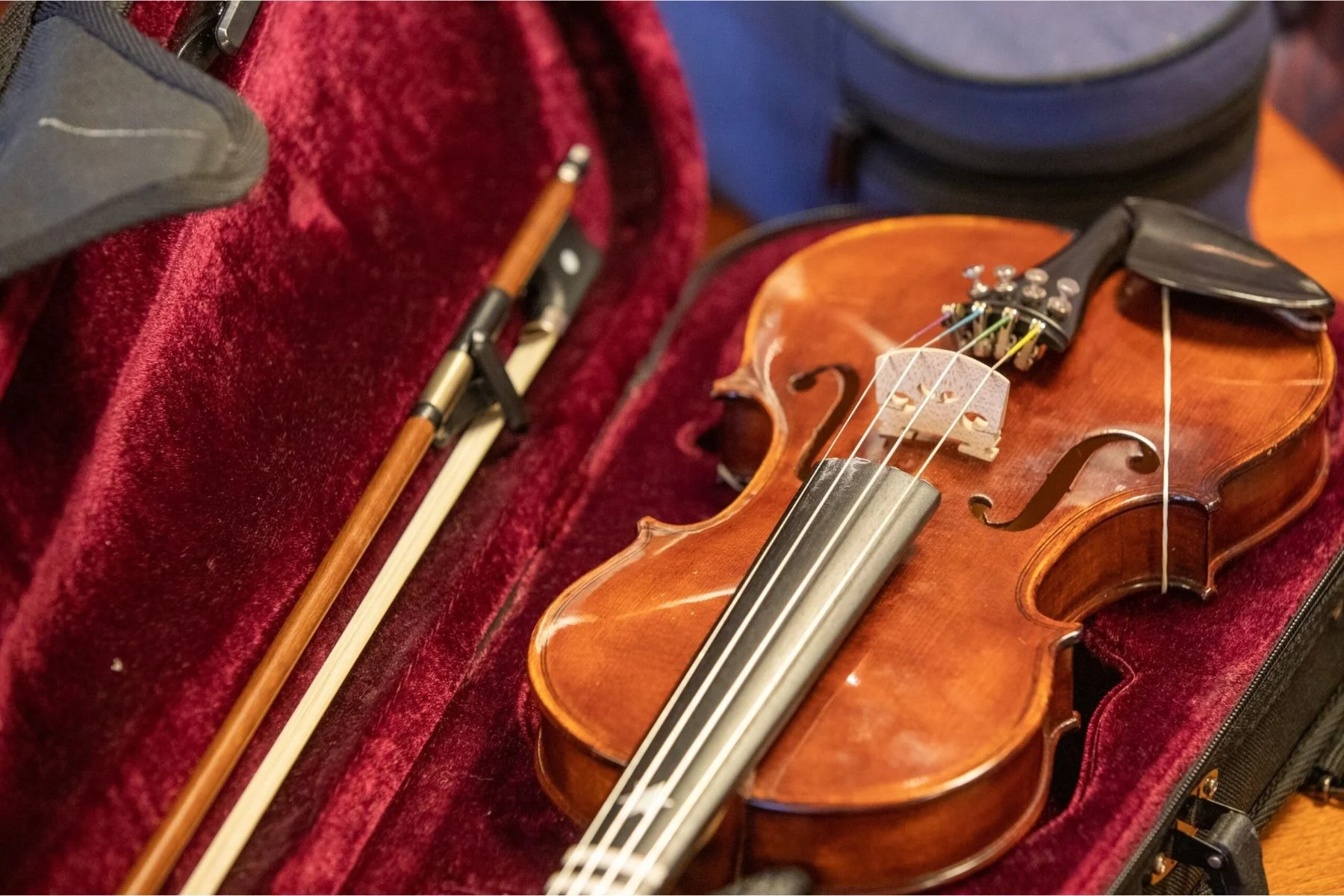
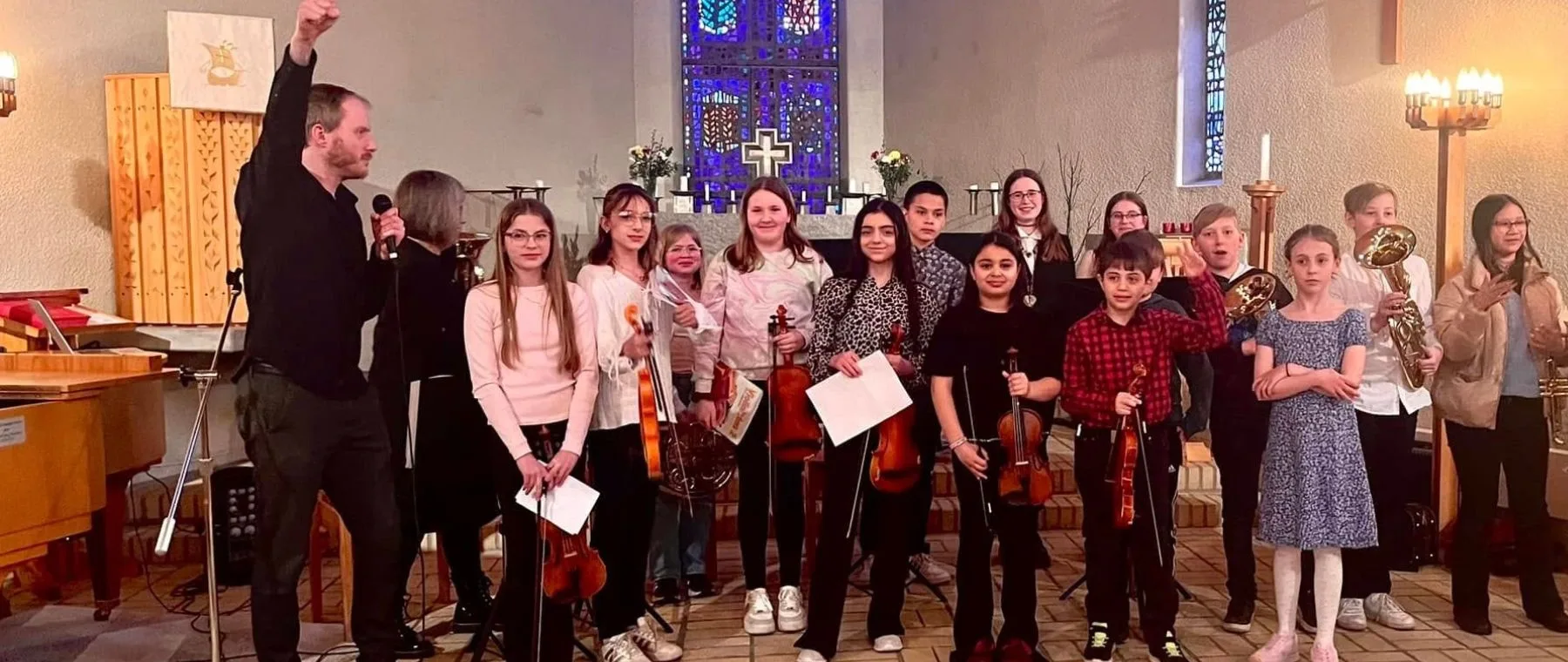
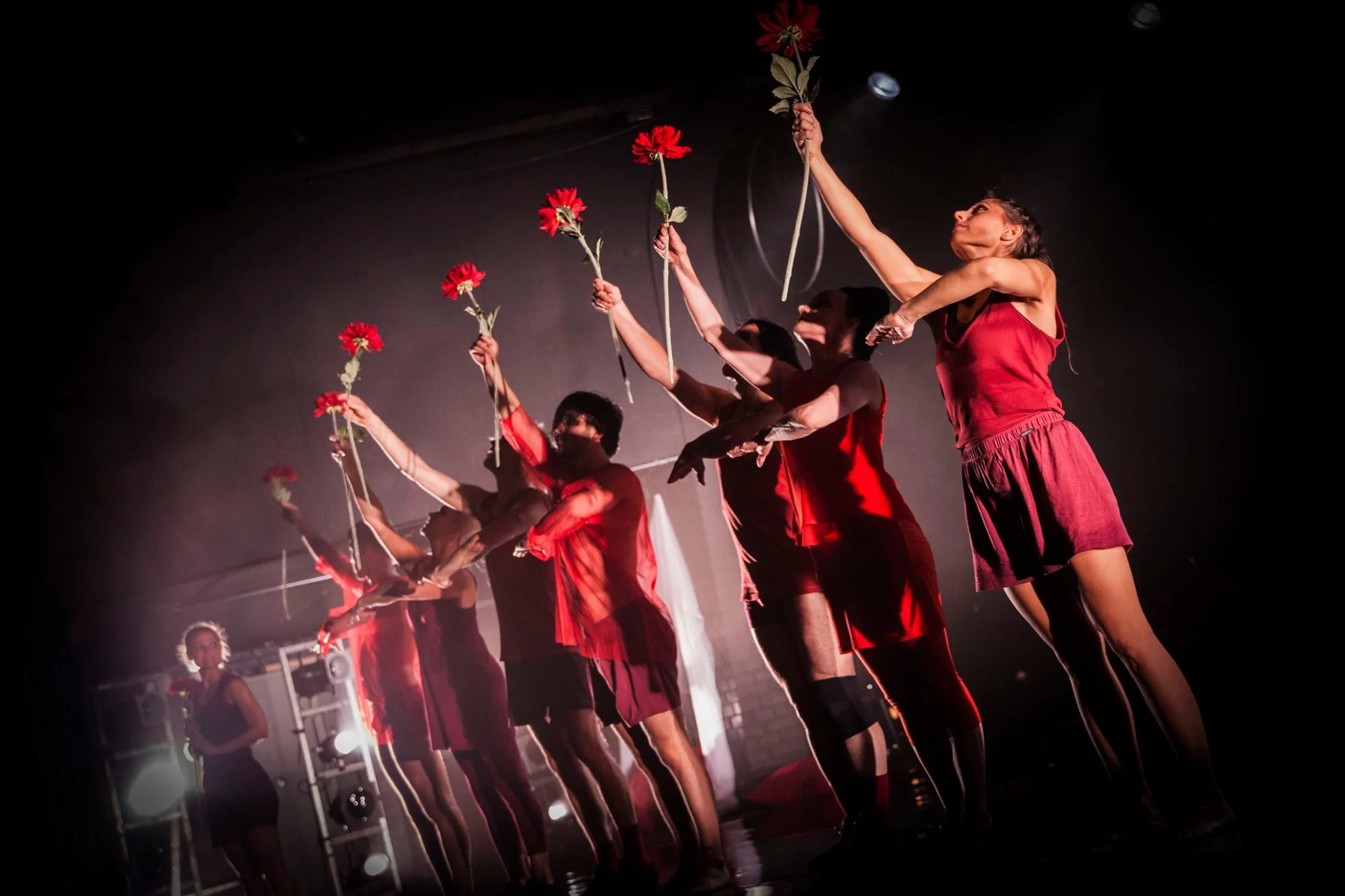
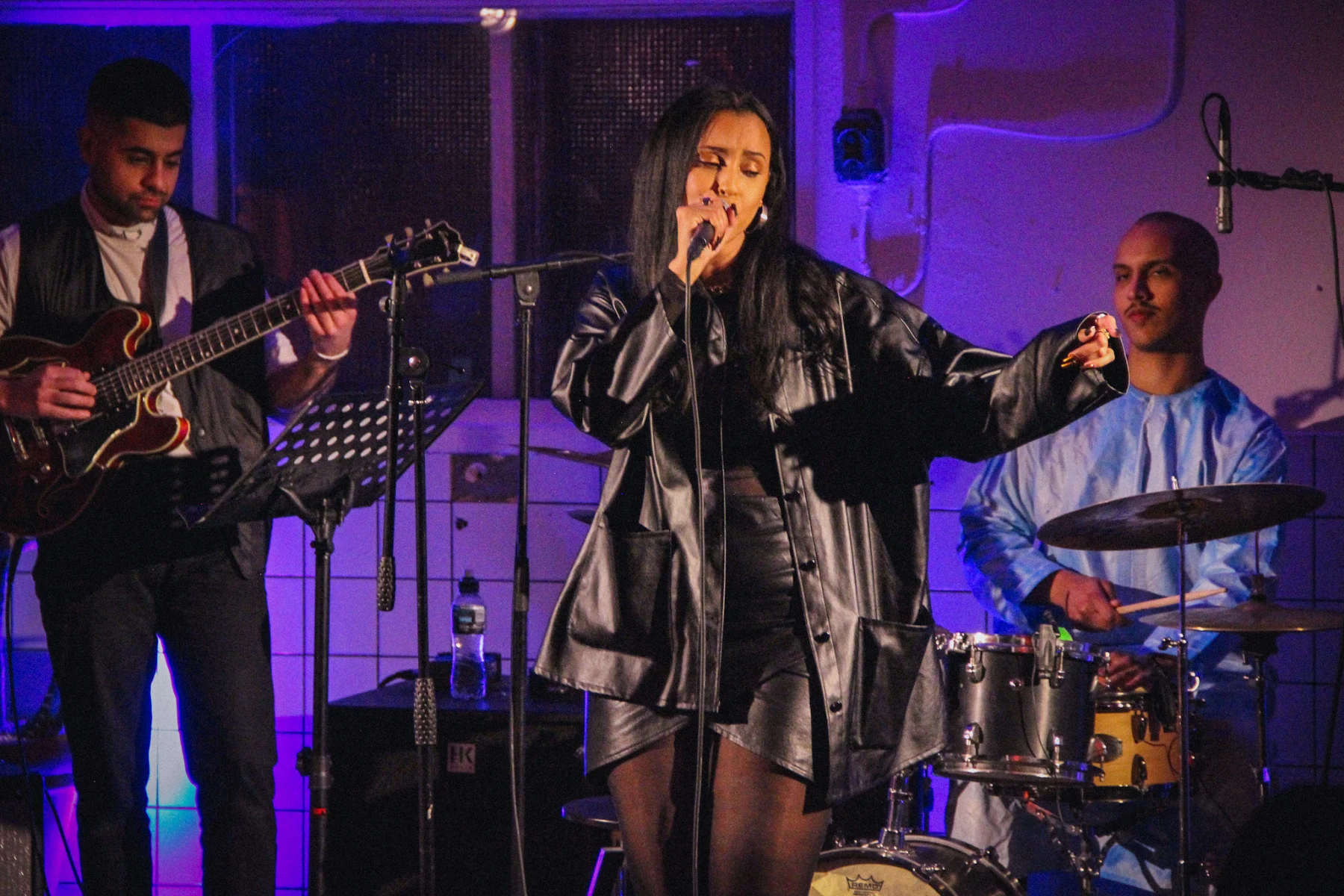
In addition to the planned collaboration between Eda Kulturskola, Eda Riksteaterförening, Gränsfôlke´ and Eidskog Kulturskole, the project is in the early stages of drawing up guidelines for collaboration between Eda Kulturskola and Karlstad University/Ingesund School of Music. The idea is that the music college’s folk music students should be able to choose ‘Music at the Border’ as part of their study programme or as a stand-alone course. Through this project, the initiators want to establish a cultural platform, a kind of creative workshop in several parts where professional musicians, singers and dancers meet and interact with children and young people from the two municipalities.
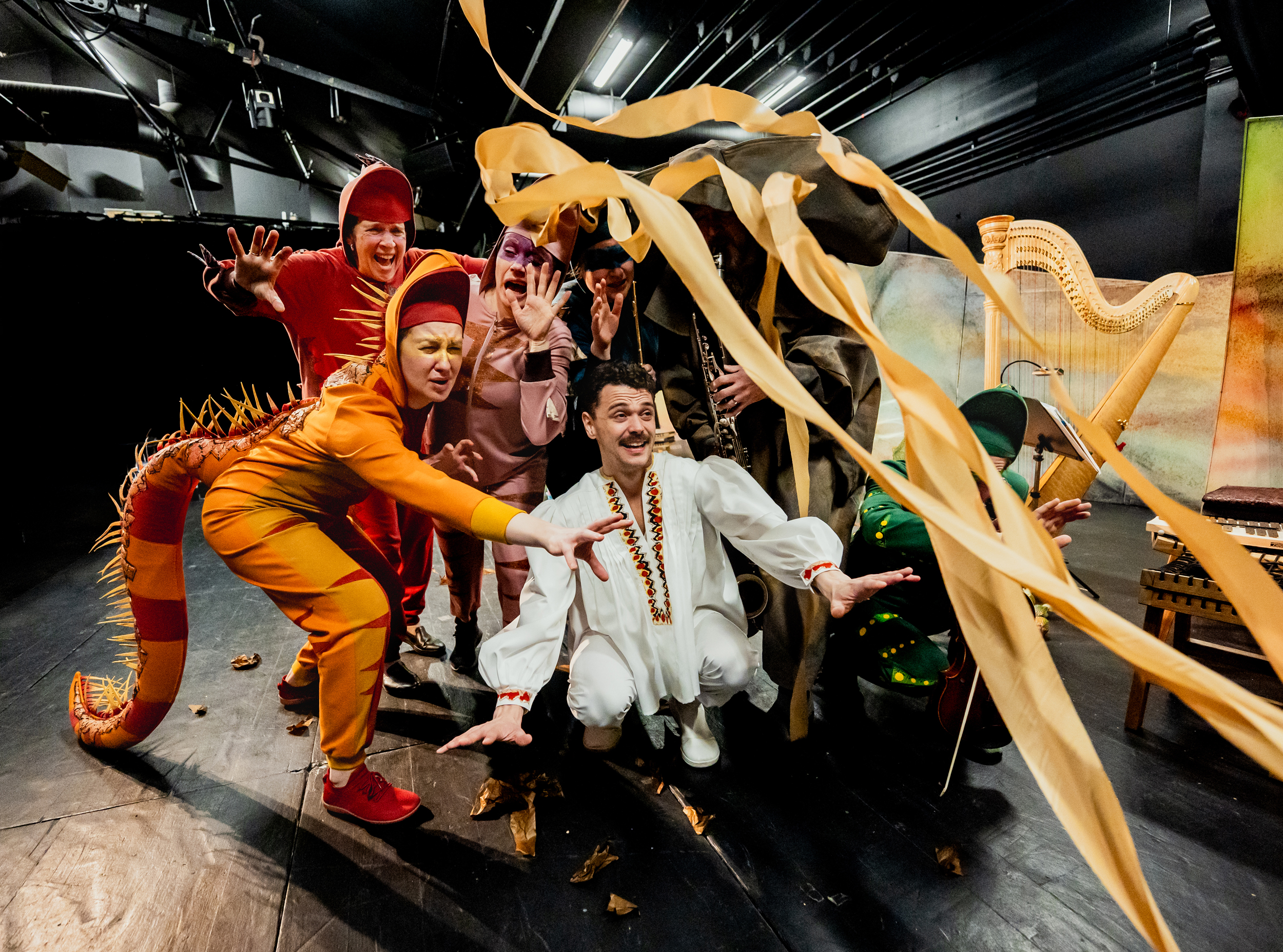
The ultimate goal is to utilise and highlight the common cultural heritage that exists around the Swedish-Norwegian border and to eventually carry out a joint production at the Peace site Morokulien. The site is located in the centre of the border and is owned and shared by both Sweden and Norway, making it a natural meeting place between the two countries. A monument commemorating the 100 years of peace between the two countries was also erected on the site in 1914, making it even more symbolic for the people who have lived in the area and perhaps also for our new Swedish and Norwegian citizens.
Project launch and planned activities
The donation from Signatur makes it possible to launch the ‘Music at the Border’ project, which will be important for the preservation of the common cultural heritage along the Swedish-Norwegian border. During the first project year, starting in spring 2025, the following activities are planned:
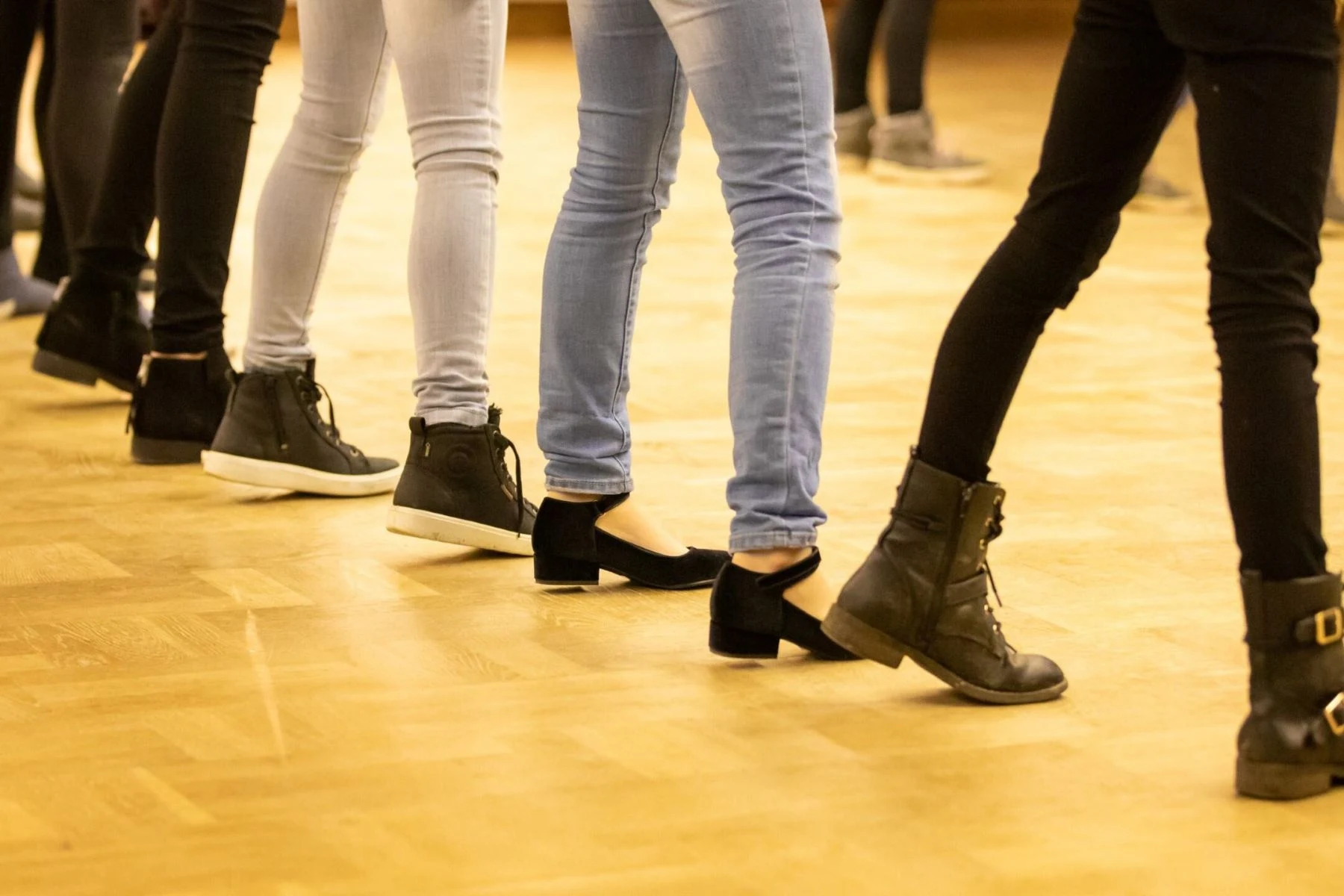
– Spring/summer 2025: Workshop in Halling dancing together with the Norwegian Halling master: HÅKON ODDEN (@haakonodden) on Instagram.
– Autumn 2025: start teaching folk music, singing and dance at Eda Cultural School, and also start courses in scenic creation and drama classes.
The project plans to initiate a dialogue with Eda Municipality about the possibility of offering cultural summer jobs in the future. Building on the projected programme in 2026, there are plans for public meetings with presentations in the form of concerts and performances.
Why it matters
In regions shaped by distance and change, culture can be a powerful connector. Music at the Border strengthens local identity while opening doors to cross-border collaboration, ensuring that shared traditions are not lost but carried forward in new and meaningful ways.
The project focuses on creating conditions for long-term cultural vitality, grounded in place, people and participation.
Learn more
Find out more about Eda Kulturskola and its work at:
https://www.eda.se/kulturskola